- Publication date
10 Unique Cultural Experiences in Menorca: Cultural Tourism to Discover the Island
Introduction
Menorca, an island of just 702 km², holds a cultural, historical, and heritage richness that makes it an exceptional cultural tourism destination in the Mediterranean. Declared a UNESCO Biosphere Reserve in 1993 and with Talayotic Menorca recognized as a World Heritage Site in 2023, the island offers much more than paradise beaches.
From prehistoric remains to vibrant festivities, passing through Menorcan crafts, gastronomy, and museums that tell countless stories, here are 10 unique cultural experiences in Menorca you shouldn’t miss.
1. Visit a Talayotic site in Menorca
The megalithic constructions —talayots, navetas, and taulas— are part of the island’s oldest legacy. These structures were built during the Bronze Age and Iron Age.
Across Menorca’s 700 km² surface, you can find more than 1,500 prehistoric sites, among which stand out:
- Naveta des Tudons, near Ciutadella, one of the best-preserved funerary monuments in the Mediterranean.
- Torre d’en Galmés, where circular houses, taulas, and water collection systems still reveal how its inhabitants lived more than 3,000 years ago.
More information on the official Talayotic Menorca website.
2. Walk the Camí de Cavalls with a cultural perspective
The historic Camí de Cavalls encircles the entire island for over 180 km. This ancestral route was used to watch the coast and connect settlements. Today it is a marked trail that reveals both nature and defensive towers, watchtowers, and remains of rural architecture.
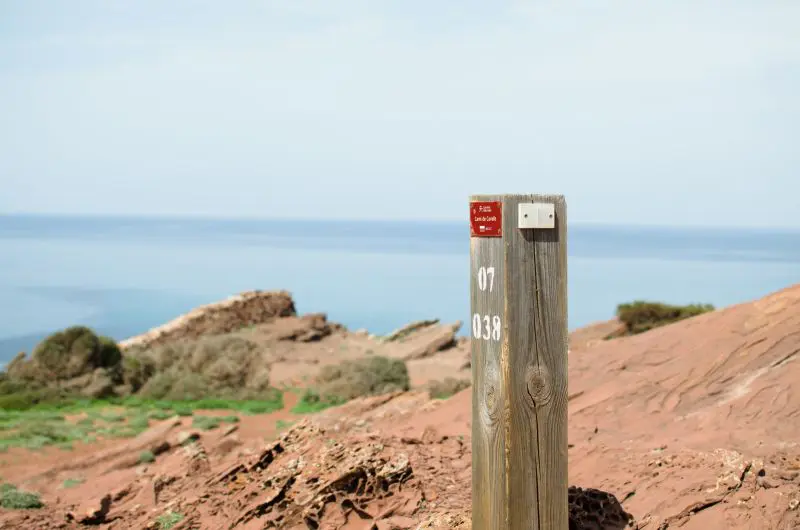
- The path crosses the 8 municipalities of Menorca.
- It is divided into 20 stages, perfect for walking at your own pace.
- It highlights the landscape contrast between the north and south of the island.
Discover routes at Camí de Cavalls 360º.
3. Dive into maritime and military history
For centuries, Menorca was coveted for its strategic location in the Mediterranean. Visiting Fort Marlborough in Es Castell or the imposing Fortress of La Mola in Mahón reveals its military significance.
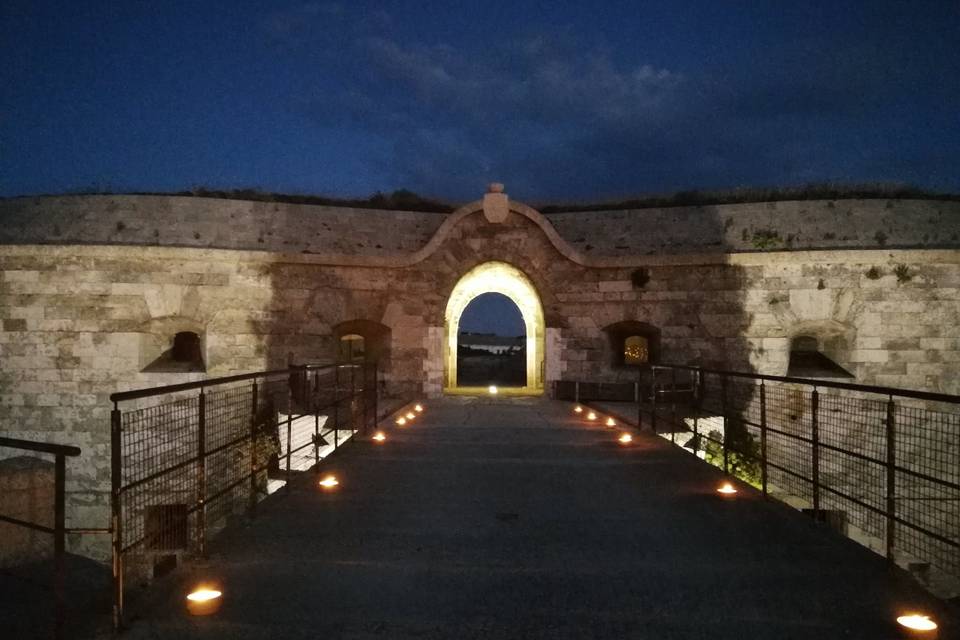
In addition, coastal towers, lighthouses, and old docks evoke British and French heritage, offering an immersion into the island’s naval and defensive past.
More information at the Menorca Tourism Promotion Foundation.
4. Key museums that tell Menorca’s history
The Museum of Menorca in Mahón, located in a former Franciscan convent, offers a journey from prehistory to the present. It is the island’s cultural reference center, with permanent and temporary exhibitions explaining Menorca’s historical and social evolution.
Other highlights include smaller museums and interpretation centers at Talayotic sites, which provide archaeological, ethnographic, and cultural context to better understand local traditions.
5. Contemporary art in unique spaces
Menorca is also about cultural present and future. On the Illa del Rei, the art center Hauser & Wirth Menorca combines contemporary art, nature, and architectural heritage.
Other must-see spaces:
- Cayón Gallery, right in Mahón’s center.
- Ca n’Oliver Art Center, a historic bourgeois building in Mahón with temporary exhibitions that help understand the island’s history.
6. Take part in traditional festivals and local celebrations
Patron saint festivals are one of the most authentic cultural experiences in Menorca.
The Jaleo of Sant Joan in Ciutadella and the Gràcia festivities in Mahón reflect the island’s passion for its horses, music, and traditions passed down through generations.
Check the festive calendar on the Menorca Tourism website.
7. Experience Menorca’s crafts, gastronomy, and geology
Menorcan crafts are part of the island’s DNA. In workshops and local markets, you will find abarcas (leather sandals), ceramics, jewelry, and textiles made in traditional ways.
Gastronomic highlights include:
- Mahón-Menorca Cheese (PDO)
- Lobster stew (caldereta)
- Gin produced at Xoriguer Distilleries, a tradition dating back to the 18th century. A km0 product that represents not only a unique flavor but also the history of the island’s cultural exchanges.
Finally, the Menorca Geology Center in Ferreries explains the island’s extraordinary landscape and geological diversity.
8. Explore historic towns and Menorcan architecture
Strolling through the historic center of Ciutadella, with its Gothic cathedral and stately palaces, or exploring Mahón and its natural harbor, is a journey through centuries of history.
Menorcan architecture combines styles: from marès sandstone houses and Baroque buildings to balconies with British influence.
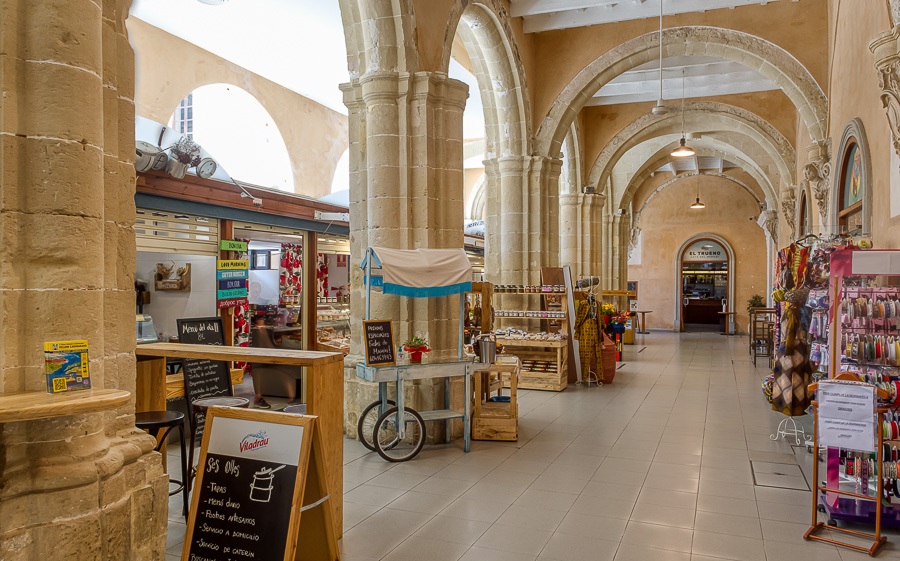
A must-stop is the Mercat des Claustre in Mahón, a cultural and gastronomic landmark where history, architecture, and km0 products come together. Located in a former convent, today it hosts craft stalls, gastronomy, and live music.
9. Discover lesser-known spots
Beyond the most famous settlements, there are hidden corners like the Talayotic house of Biniparratx Petit, which preserves the typical circular architecture of this ancestral culture.
You can also visit caves such as the Cova de s’Aigua or Cova des Coloms, which offer an intimate and authentic experience of Menorca’s natural and cultural heritage.
10. Watch Menorca under the starry sky
Menorca is a Starlight Destination thanks to the quality of its night sky. Joining night routes, visiting archaeological sites during the full moon, or experiencing archaeoastronomy is a unique way to connect nature and heritage.
Discover activities at Nurarq or Naturgea Menorca.
Conclusion
Menorca is a cultural treasure as deep as it is diverse. Every stone, street, festival, or site tells a story. Experiencing these unique cultural activities is more than visiting monuments: it’s about connecting with the island’s identity, history, and soul.
Discover Menorca with Awaita
With Awaita you can access personalized routes, reliable information, and experiences tailored to your interests:
- Ask in real time about sites, festivals, or markets.
- Discover craft workshops, km0 products, and Menorca’s intangible heritage.
- Connect your trip with the cultural soul of the island.
Register for free on Awaita’s website and let Awi, your cultural assistant, show you the most authentic Menorca — the one that doesn’t appear in traditional travel guides.
Frequently Asked Questions
What is the best time to enjoy cultural experiences in Menorca?
Spring and autumn offer mild temperatures and local festivals. Summer has more events, but also larger crowds.
How much does it cost to visit the Talayotic sites of Menorca?
Some are free, others have a reduced entry fee. Awaita provides real-time information on schedules and prices.
Is it necessary to rent a car to visit all the cultural sites in Menorca?
Public transport connects Mahón and Ciutadella, but many sites require a car. There are organized tours and shared mobility options.
Where can I try traditional Menorcan cuisine?
At markets such as the Mercat des Claustre, at local cheese dairies, and in traditional restaurants.
Which km0 products should I not miss?
Mahón-Menorca cheese, Xoriguer gin, lobster stew (caldereta), honey, and sweets like carquinyols.
How does Awaita help me discover these experiences?
Awaita offers real-time explanations, connects you with cultural spaces, and lets you explore Menorca’s intangible heritage in your own language.